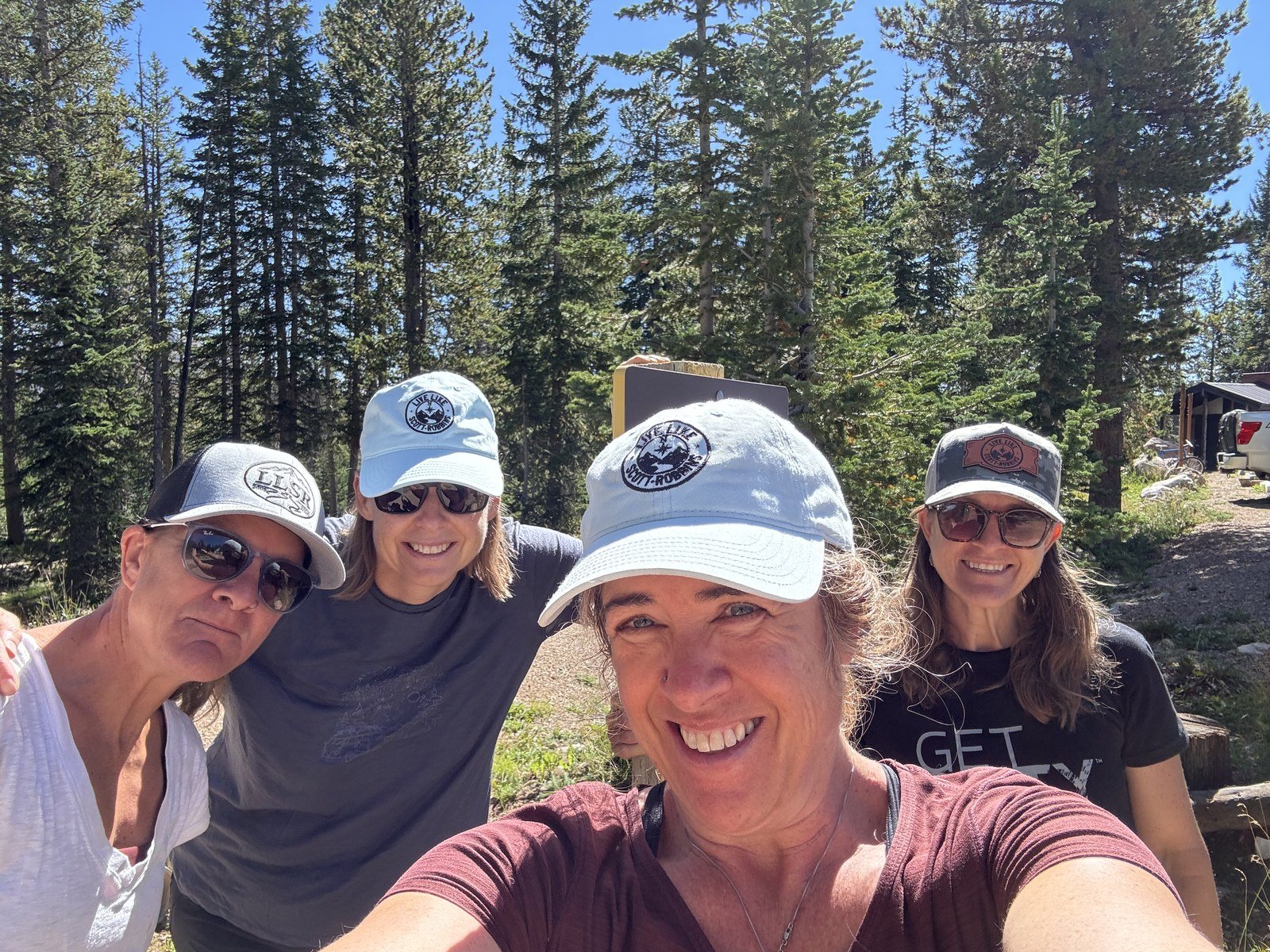
Inspired by my best friend, experiencing new adventures will forever be one of my top priorities. Our adventures started with building dirt jumps in the back field and slowly grew into things I never imagined we’d get to experience. When Scott told me he was taking a trip to Japan, I couldn’t wait to hear the stories when he got home. With him, every adventure came with a story, and I knew I’d get the true, authentic Scott Robbins experience. Hearing about his time there planted a seed that never really went away. That opportunity finally came when my sister and I set out to trek the Kumano Kodo, an ancient pilgrimage route winding through the mountains of Japan. I’d never trekked through a foreign country before. Looking back, I can’t recommend it enough. There’s something incredibly freeing about traveling with everything you need packed into a single backpack. Bonus points if it fits as a carry-on. It’s a simpler way to experience a place, and one that allows you to notice so much and truly immerse yourself in a new culture and place.
If Japan has been on your bucket list, I’d encourage you to think beyond the bright lights of Tokyo and Osaka. Venture into the mountains, just as Scott did. Yes, you can do both! The places you’ll remember most aren’t the ones everyone else goes to; they’re the quiet trails and tiny mountain villages that bring you a whole new perspective.
What is the Kumano Kodo?
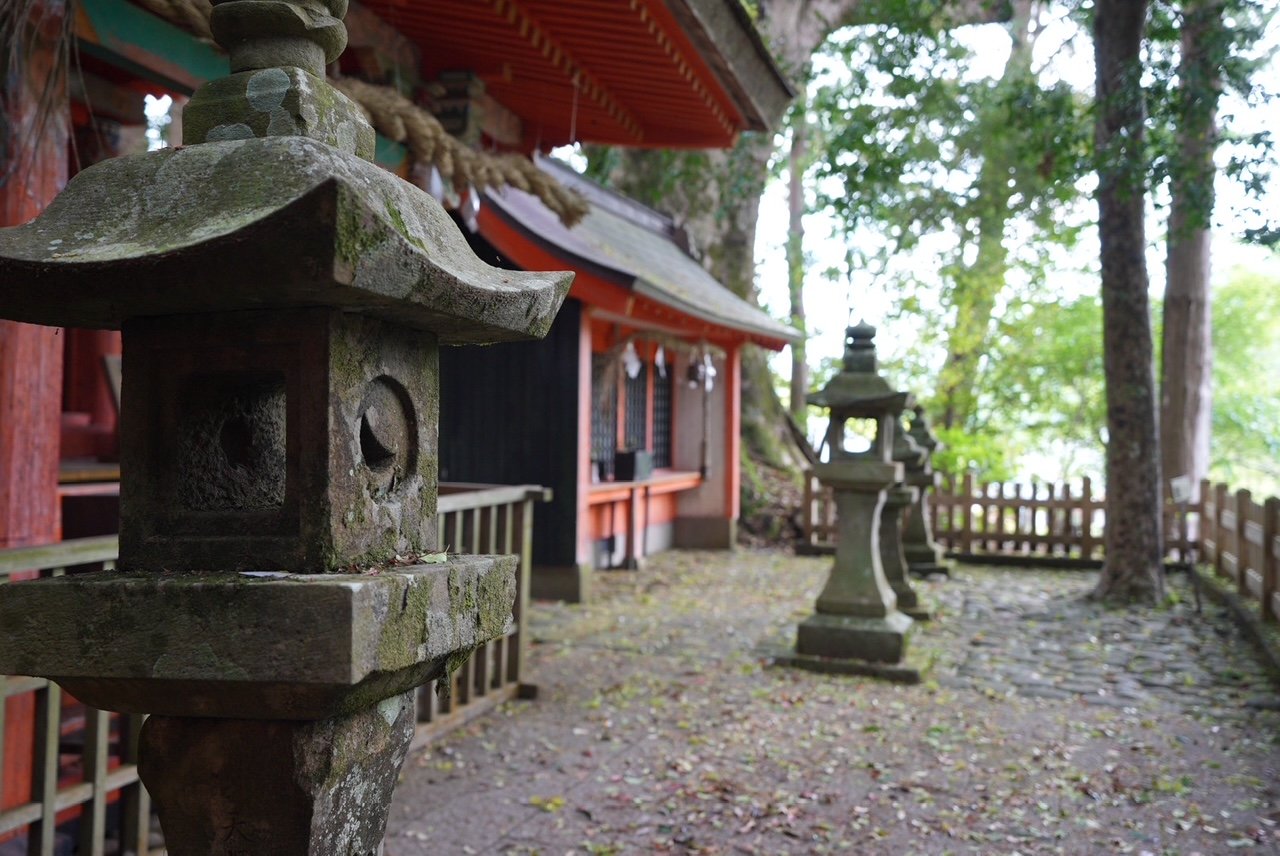
The Kumano Kodo is one of only two UNESCO World Heritage pilgrimage routes in the world, the other being Spain’s Camino de Santiago, a trail that’s now earned a spot on my bucket list. Long before hiking became a hobby, emperors, samurai, monks, and ordinary travelers walked these same mountain paths in search of spiritual renewal. Today, you can follow in their footsteps. The trail winds through the mountains of Japan’s Kii Peninsula, passing ancient shrines, towering cedar forests, waterfalls, and quiet mountain villages. What makes the Kumano Kodo so special isn’t just the beautiful scenery, it’s the history beneath your feet. Every stone staircase and forest path has been traveled by countless people over the last thousand years. It’s hard not to wonder about the stories of those who came before you as you make your way toward the next shrine.
Now, don’t get me wrong, this isn’t a leisurely stroll through the woods. I’m convinced the Japanese hadn’t discovered switchbacks when these trails were built. The trail will challenge you both physically and mentally, but every steep climb is rewarded with incredible scenery, peaceful forests, and the satisfaction of earning every mile. If you’re interested in hiking the Kumano Kodo yourself, I highly recommend checking out the official website. It does a fantastic job explaining the history of the pilgrimage, outlining the different routes, and helping hikers plan accommodations and logistics before setting out.
Preparations:
I have to give credit to my sister for planning this one. I know… spreadsheets aren’t exactly exciting. But when you’re spending two weeks in a foreign country, a little planning goes a long way. Having our transportation, accommodations, and hiking schedule laid out ahead of time made the trip far less stressful and let us enjoy the adventure instead of worrying about logistics. One of the biggest resources we used was the Kumano Travel website. They make planning the pilgrimage incredibly easy by connecting hikers with local accommodations along the trail. These aren’t chain hotels; they’re family-run guesthouses, traditional inns, and some truly unique places to stay. One night we even found ourselves sleeping in the attic of an old Japanese man’s home. It sounds a little crazy, but it turned out to be one of the most memorable parts of the trip.
Kumano Travel coordinates directly with each accommodation, ensuring you have a place to stay at the end of every hiking day. Many of the guesthouses include traditional Japanese breakfasts and dinners, and depending on where you stay, you may even have the opportunity to eat alongside the family hosting you. It’s an incredible way to experience Japanese hospitality and immerse yourself in the local culture. When booking, you’ll also have options to reserve bento lunch boxes for the trail and visit onsen, Japan’s famous natural hot springs. Fair warning, though, onsens are traditionally enjoyed without clothing. It can be a little intimidating, especially if you’re not used to it, but after a long day of hiking, you stop really caring.
Once your accommodations are booked, it’s time to prepare. If I could give one piece of training advice, it would be this: become best friends with the StairMaster. Your legs will thank you later. The Kumano Kodo doesn’t believe in gentle climbs, and you’ll spend plenty of time heading straight up. Before leaving, make sure your shoes are broken in, test all of your gear, and pack lighter than you think you need. You’ll wear the same hiking clothes most days, and there are plenty of opportunities to do laundry along the route.
The Hike: Leaving the City Behind
After a much-needed day to recover from jet lag in Osaka, it was finally time to begin the adventure we had been planning. We boarded an early train south to Kii-Tanabe Station, then transferred to a local bus that wound its way into the mountains before dropping us at Takijiri-oji, the traditional starting point of the Kumano Kodo pilgrimage. Standing beneath the first torii gate with our backpacks strapped on, it was finally time to begin the trek.
We intentionally kept our first day short. Although it included a steep climb, it was only about four miles to our first accommodation. One of the best parts of the Kumano Kodo is how customizable the route is. There are enough mountain villages and guesthouses that you can tailor the mileage to fit your own pace, whether you want shorter days or a bigger challenge. Coming from the dry climate of Arizona, the humidity hit us almost immediately. Every climb left us soaked, and before long we found ourselves measuring progress n, we stayed in a family-run guesthouse where our hosts prepared dinner and breakfastot by miles, but by vending machines. There was nothing better than spotting one tucked into a tiny mountain village and cracking open an ice-cold Pocari Sweat. Despite the questionable name, it’s basically Japan’s version of Gatorade. That evening we stayed in a family-run guesthouse where dinner and breakfast were prepared by our hosts. We slept on traditional tatami mats, drank locally grown tea, and slowly settled into a rhythm that would define the rest of the trip. It was the perfect introduction to both the trail and Japanese culture.
Finding a Rhythm
By the second day, the miles came quickly. Long climbs were followed by quiet descents through towering cedar forests before opening into picture-perfect mountain villages and rice fields carved into the hillsides. Every turn seemed to reveal another view that looked like it belonged on a postcard.
One of my favorite parts of the hike was collecting the official Kumano Kodo stamps. At the start of the trail, you can purchase a small pilgrimage book that resembles a passport. Throughout the route, there are eighteen unique stamp stations located near shrines and historic landmarks. Every time we found one, it felt like reaching another milestone. By the end of the trek, the little book had become one of my favorite souvenirs from Japan, and the best part is that you can continue collecting similar stamps all across the country.
That night we stayed at one of the most memorable accommodations of the trip, an attic room inside an old Japanese man’s home. His name was Hagi, and he was unforgettable. Dinner wasn’t simply served; it was an experience. He placed an enormous clam, the largest shrimp I’d ever seen, and other fresh seafood in front of us before handing us a charcoal grill and expecting us to cook it ourselves. Throughout the meal, he critiqued our grilling technique and towered over us, expecting us to try all his weird seafood. His soundtrack of choice? American Christmas music. It made absolutely no sense, but was perfect.

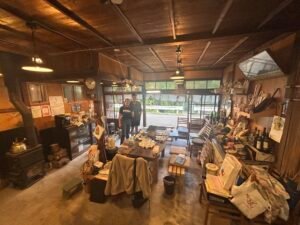
That evening we also met three women from Taiwan who spoke enough English for us to exchange stories. Over the next several days we’d repeatedly leapfrog each other on the trail, crossing paths at viewpoints, lunch stops, and accommodations. It was amazing how quickly complete strangers from opposite sides of the world became familiar faces.
Trail Friends & Mountain Hospitality
One thing I never expected was how social a pilgrimage through the mountains would be. Every day we’d run into many of the same hikers. We’d pass each other on climbs and eventually stop to swap snacks whenever our breaks lined up. We met hikers from Scotland, Taiwan, Australia, and England. One Scottish couple quickly became some of our favorite people on the trail. They had spent years trekking all over the world, and somehow we always seemed to catch up to each other just in time for a snack break. We’d trade trail snacks before continuing on our separate ways, only to repeat the process a few hours later.
It was a reminder that adventure has a funny way of bringing people together. Language barriers and different backgrounds mattered surprisingly little when everyone was working toward the same destination. Although I made frequent use of my Google Translate app.
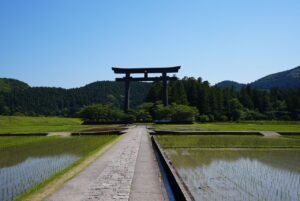
The third day took us by the largest torii gate in the world. This was one of the three major temples that you get to see along this hike. It was an awesome culmination to a long day of hiking. From there we took a bus to an onsen on the river. This was a much-needed introduction to onsens as it was outside next to the river; thankfully, swimsuits were required. I soon learned that was a rare luxury and very uncommon for Japan.
 :
:
The Hardest Day
Day four tested every bit of training we’d done before the trip. Fifteen miles doesn’t always sound intimidating on paper, but when most of those miles involve climbing straight up mountainsides, it’s a different story. Why couldn’t the pilgrims who created this trail think of switchbacks? Oh well..But somehow, the little moments along the way made the difficult sections fade into the background. Late that afternoon, we stopped at a tiny shop owned by the sweetest old lady. She proudly introduced us to all of her favorite snacks before pointing us toward what she insisted was the best swimming hole along the river. It was one of those simple interactions that lasts only a few minutes but somehow becomes one of your strongest memories from the trip regardless of the language barrier.
That evening we arrived at another traditional onsen hotel. By then, sleeping on tatami mats felt completely normal. After spending the day climbing mountains, soaking in the natural hot spring was easily the best recovery we could have asked for.
Reaching the End
By the fifth day, our legs had definitely started to feel the miles. The climbs never seemed to get any easier, but somewhere along the way our mindset had changed. We stopped focusing on how much farther we had to go and started appreciating every part of the journey, the quiet forests, the mountain villages, and, of course, every vending machine we stumbled across. My personal favorite, the ice cream vending machine.
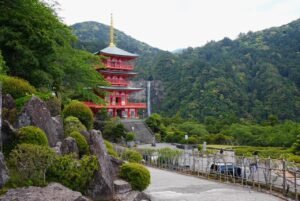
As we made our way toward the coast, the landscape slowly began to change. The trail opened up to breathtaking views before leading us to one of Japan’s most iconic sights, Nachi Falls, the tallest single-drop waterfall in the country, cascading beside the three-story pagoda of Seiganto-ji. Seeing the waterfall after five days of hiking felt like the perfect reward. It wasn’t just another scenic viewpoint; it was the moment the entire pilgrimage came together. After exploring the shrine grounds and treating ourselves to some well-earned ice cream and souvenirs, we caught a bus to a small coastal port town for the night. There we stayed in another traditional inn and had one of those random travel moments that still makes me smile. A Japanese man swerved to pull his car over and started talking with us. Somehow the conversation turned to Idaho, and to our surprise he had been to Boise five times, and knows the owner of a ski shop in McCall.
Talking to this man from a quiet fishing town on the opposite side of the world was one of those reminders that the world is both incredibly large and surprisingly small.
The following day we visited the final sacred site of the Kumano Sanzan, bringing our pilgrimage to a close. Completing all three of the sacred shrines made the journey feel complete, and it was a satisfying way to finish an incredible trail.
Looking Back
The Kumano Kodo challenged me more than I expected. Five days of climbing mountains with everything I needed on my back taught me that adventure isn’t always about reaching the highest summit or traveling the farthest distance. Sometimes it’s about slowing down enough to appreciate where your feet are. I don’t consider myself a particularly spiritual person, but it’s impossible to walk a thousand-year-old pilgrimage without feeling connected to the people who came before you. After finishing the trail, my sister and I continued exploring some of Japan’s cities. Osaka, Nara, and Kyoto were everything I’d hoped they would be. But if I’m being honest, I enjoyed the mountains more.

Things I Learned
- Japan becomes even more beautiful when you leave the cities. My favorite memories came from quiet mountain villages that most tourists never see.
- Show up with an open mind and an empty stomach. Traditional Japanese food can be… interesting. Some meals completely surprised me, but trying things I never would have ordered back home ended up being one of the most rewarding parts of the trip.
- Take time to talk to the locals. You can learn so much by just taking time to talk to people; it’s always worth the extra effort.
- Slow down. The Kumano Kodo isn’t a trail to rush through. Stop at the shrines, explore the villages, collect the stamps, and enjoy the moments between destinations.
- Carry more cash than you think you’ll need. Once you’re in the mountains, they do not accept American cards. Besides, you’re going to want plenty of yen for trail snacks and the countless vending machines you’ll pass along the way.
- Don’t be afraid to step outside your comfort zone. Sleep on tatami mats. Soak in an onsen. Try the mystery food you don’t know. Talk to strangers despite the language barrier. Some of the best experiences happen the moment you’re willing to embrace the unfamiliar.
Gear That’s Worth Bringing
-
Osprey Stratos 34L Backpack (Pack Light)
-
Hiking Poles (Your knees will thank you)
-
2 Nalgene Water bottles (You will sweat a TON)
-
Rain jacket (It is going to rain)
-
Trail runners (Comfortable for all day hiking)
-
Smartwool socks (Keeps your feet cool)
-
Sandals (Swimming in Rocky Rivers)
-
Sun Hoodie (No Sunburns allowed)
FAQS:
Where do I start?
Visit the Kumano Travel Website. It has super helpful information and is where you can book authentic stays during your trek.
How many days does it take?
Most hikers complete the Nakahechi Route in 4–5 days. We chose a 5-day itinerary, which gave us plenty of time to enjoy the villages, shrines, and guesthouses without feeling rushed.
Can you hike it without speaking Japanese?
Yes. While English isn’t widely spoken in the mountain villages, everyone we met was incredibly kind and patient. Google Translate was more than enough to bridge the gap.
Can beginners hike the Kumano Kodo?
Yes, if you prepare properly. You don’t need backpacking experience, but you should be comfortable walking 8–15 miles a day with elevation.
Is there luggage transfer?
Yes! The Kumano Kodo offers luggage transfer between accommodations, so your bags will be waiting for you at the end of each day. We carried everything ourselves, but if you’d rather hike with just a daypack, it’s a great option.